
What are the basic parameters of seawater desalination pumps?
Category: Pump Knowledge
2024-10-26
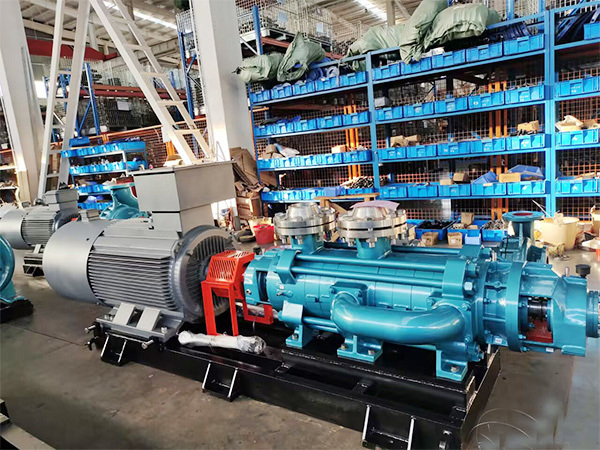
Seawater Desalination PumpIt is a device used to convert seawater into freshwater, playing an important role in addressing freshwater resource shortages. Understanding the basic parameters of seawater desalination pumps is crucial for selecting the appropriate equipment.
1. Overview
Seawater desalination pumps are one of the core devices in seawater desalination systems, mainly used to transport seawater to reverse osmosis, distillation, or other desalination treatment units. The selection of performance parameters directly relates to the efficiency and operational stability of the entire desalination system.
2. Main Parameters
1. Flow Rate (Q): Refers to the volume of seawater delivered by the pump per unit time, usually expressed in cubic meters per hour (m³/h). The selection of flow rate should be determined based on the treatment capacity of the desalination unit to ensure it meets system requirements.
2. Head (H): Refers to the lift provided by the pump to the liquid, enabling it to overcome pipeline resistance and reach a certain height or distance. For seawater desalination pumps, the head must ensure that seawater can overcome the pressure loss of the reverse osmosis membrane and smoothly enter the desalination unit.
3. Speed (N): The rotational speed of the pump, which directly affects the flow rate and head of the pump. Usually expressed in revolutions per minute (rpm).
4. Power (P): Refers to the power required for the pump to operate, including rated power and maximum power. Proper selection of power can ensure effective operation of the pump and prevent overload.
5. Allowable Suction Vacuum Height: Indicates the maximum vacuum level allowed by the pump, related to the pump's design and the characteristics of the liquid. This parameter affects the self-priming ability of the pump, and for seawater desalination pumps, ensuring stable liquid suction capability under different environmental conditions is crucial.
6. Efficiency (η): Indicates the efficiency of the pump in converting energy into liquid flow. An effective seawater desalination pump can reduce energy consumption and improve the economic benefits of the entire system.
7. Material: The choice of pump material must consider the corrosiveness of seawater. Common materials include stainless steel and copper alloys, ensuring the pump has a long service life in seawater environments.
8. Other Parameters: Such as the diameter, length, and weight of the pump, are also important factors to consider when selecting a pump.
3. Precautions
When selecting a seawater desalination pump, the following factors should also be considered:
1. The actual needs of the equipment and working conditions.
2. The reputation and after-sales service of the manufacturer.
3. The maintainability and operating costs of the equipment.
In summary, understanding the basic parameters of seawater desalination pumps helps in selecting suitable and effective pump equipment, providing strong support for the operation of seawater desalination systems. In practical applications, comprehensive consideration should also be given to specific needs and working conditions to ensure stable operation and long-term benefits of the system.
RELATED INFORMATION
Recommend Products
Contact Us
Free Hotline:+86 18142662779
Fixed telephone:+86 19313001794
Mobile:+86 18142662779(WeChat/WhatsAPP)
E-mail:info@sanchangpump.net




Hunan Sanchang Pump Co., Ltd.
| Email: | info@sanchangpump.net |
| Hotline: | +86 181 4266 2779 |
| +86 193 1300 1794 | |
| Mobile/Wechat/WhatsApp: | +86 181 4266 2779 |
| Address: | No.517,Xiangfu Road, Yuhua |
| District, Changsha City | |
| Hunan Province, P.R.C |
