
How to maintain and repair sewage pumps
Category: Pump Knowledge
2024-10-24
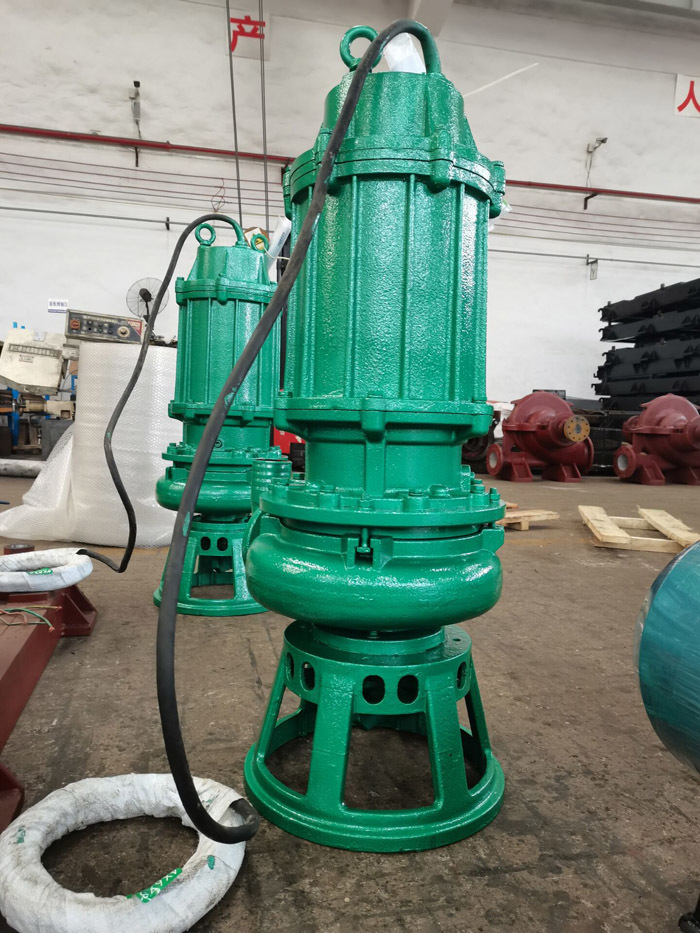
Sewage pumpAs an important fluid transport device, it is widely used in sewage treatment, industrial discharge, agricultural irrigation, and other fields. To ensure its normal operation and extend its service life, maintenance and repair are particularly important. Here are some key steps and suggestions for the maintenance and repair of sewage pumps.
I. Repair
1. Fault diagnosis: First, it is necessary to determine the specific problem with the sewage pump. Possible faults include insufficient flow, excessive noise, leaks, etc. By careful observation and testing, the cause of the fault can be identified.
2. Disassembly and inspection: Based on the results of the fault diagnosis, disassemble the sewage pump and check the wear of key components such as the impeller, bearings, and sealing rings.
3. Parts replacement: For severely worn parts, such as sealing rings and impellers, they should be replaced in a timely manner. Use original parts or high-quality substitutes to ensure repair quality.
4. Test run: After the repair is completed, conduct a test run to check whether the performance of the sewage pump has returned to normal.
II. Maintenance
1. Regular inspection: Regularly inspect the sewage pump, generally recommended once every quarter or every six months. Inspection items include the appearance of the pump, fasteners, rotating parts, etc.
2. Cleaning: Remove impurities and deposits inside and outside the pump to keep it clean. Pay special attention not to let the sewage pump remain in a high-concentration sewage environment for a long time to avoid corrosion and blockage.
3. Lubricating oil replacement: Replace the lubricating oil regularly based on usage. Generally, the lubricating oil in the bearing box should be replaced once every quarter.
4. Sealing component inspection: Check sealing components, such as sealing rings and packing boxes, to ensure they are intact. If damaged, they should be replaced in a timely manner.
5. Operation test: After maintenance is completed, conduct an operation test to ensure the sewage pump operates normally.
In addition, to extend the service life of the sewage pump, the following points should also be noted:
1. Avoid running dry: Prolonged running dry can cause the pump body to overheat, affecting its service life.
2. Avoid overload: Ensure that the sewage pump operates within the specified flow and head range to avoid overload.
3. Storage environment: When storing the sewage pump, it should be placed in a dry, ventilated environment to avoid moisture and corrosion.
Repairing and maintaining sewage pumps is a complex and important task that requires certain professional knowledge and skills. If you are unsure how to carry out maintenance and repair, it is advisable to seek help from professionals. Only through proper maintenance and repair can we ensure the safe and reliable operation of sewage pumps, contributing to environmental protection and sewage treatment.
In summary, proper maintenance and repair can ensure the normal operation of sewage pumps and extend their service life. By regularly checking, cleaning, lubricating, and replacing parts, the sewage pump can be kept in good condition. At the same time, avoiding running dry, overload, and proper storage are also key to ensuring the normal operation of sewage pumps.
RELATED INFORMATION
Recommend Products
Contact Us
Free Hotline:+86 18142662779
Fixed telephone:+86 19313001794
Mobile:+86 18142662779(WeChat/WhatsAPP)
E-mail:info@sanchangpump.net




Hunan Sanchang Pump Co., Ltd.
| Email: | info@sanchangpump.net |
| Hotline: | +86 181 4266 2779 |
| +86 193 1300 1794 | |
| Mobile/Wechat/WhatsApp: | +86 181 4266 2779 |
| Address: | No.517,Xiangfu Road, Yuhua |
| District, Changsha City | |
| Hunan Province, P.R.C |
