
What are the selection factors for sewage pumps?
Category: Pump Knowledge
2024-10-23
Sewage PumpThe selection of sewage pumps needs to consider factors such as usage scenarios, working condition requirements, corrosion resistance, wear resistance, efficiency, energy consumption, reliability, maintenance convenience, and economy, to ensure the selection of suitable pumps that meet engineering needs.
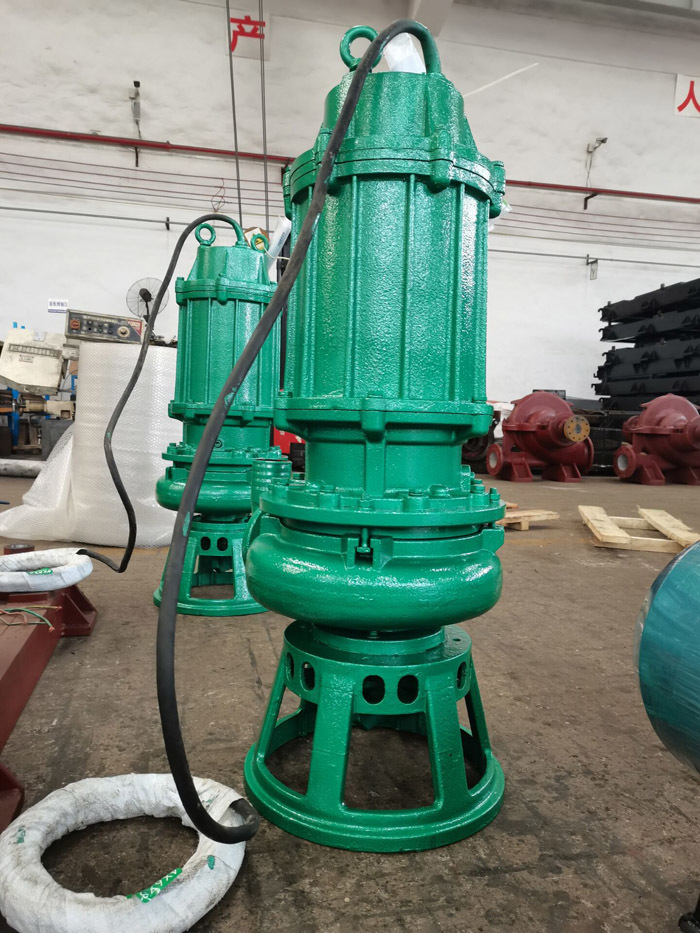
1. Overview
Sewage pumps are used to transport liquids containing solid particles, fibers, grease, and other impurities, and are widely used in municipal drainage, industrial wastewater treatment, and other fields. Many factors need to be considered during selection to ensure the pump's performance meets usage requirements.
2. Key Factor Analysis
1. Flow Rate (Q): Refers to the volume of liquid transported by the pump in a unit of time. The required flow rate should be determined based on the process flow and design requirements when selecting the pump model.
2. Head (H): Refers to the energy given to the liquid by the pump, enabling it to overcome pipeline resistance to reach a predetermined height. To ensure the pump operates within an effective range, the required head should be determined based on factors such as pipeline length and the number of elbows.
3. Liquid Properties: Includes the corrosiveness of the liquid, solid particle content, fiber length, etc. These properties determine the material selection and structural type of the pump.
4. Environmental Conditions: Such as ambient temperature, humidity, etc., which affect the pump's working efficiency and lifespan. In high-temperature and high-humidity environments, it is necessary to select a pump type and material suitable for that environment.
5. Power and Efficiency: The pump's power should meet operational needs while considering efficiency to save energy.
6. Installation Method: Choose a suitable installation method based on site conditions, such as vertical installation, horizontal installation, etc.
7. Operating Conditions: Consider the pump's operating mode (continuous or intermittent operation), starting frequency, etc., to select the appropriate pump type and specifications.
8. Cost and Maintenance: Under the premise of meeting performance requirements, consider procurement costs and later maintenance costs, and choose a pump model with a high cost-performance ratio.
3. Selection Steps
1. Collect Site Data: Including flow rate, head, liquid properties, etc.
2. Analyze Data: Conduct preliminary screening based on the collected data.
3. Compare Selection: Compare the performance parameters and costs of different pumps to select the appropriate model.
4. Verify Selection: Verify the rationality of the selection in actual applications to ensure the pump's performance meets requirements.
4. Summary and Recommendations
The selection of sewage pumps involves multiple factors and requires comprehensive consideration of site conditions, liquid properties, operational requirements, and other aspects. During the selection process, it is recommended to communicate with manufacturers to understand the product's performance characteristics and usage range, ensuring the accuracy and rationality of the selection. At the same time, attention should be paid to verifying the rationality of the selection in actual applications and timely adjusting and optimizing the selection plan.
RELATED INFORMATION
Recommend Products
Contact Us
Free Hotline:+86 18142662779
Fixed telephone:+86 19313001794
Mobile:+86 18142662779(WeChat/WhatsAPP)
E-mail:info@sanchangpump.net




Hunan Sanchang Pump Co., Ltd.
| Email: | info@sanchangpump.net |
| Hotline: | +86 181 4266 2779 |
| +86 193 1300 1794 | |
| Mobile/Wechat/WhatsApp: | +86 181 4266 2779 |
| Address: | No.517,Xiangfu Road, Yuhua |
| District, Changsha City | |
| Hunan Province, P.R.C |
