
What are the selection factors for pipeline pumps?
Category: Pump Knowledge
2024-10-22
Pipeline pumpis a device widely used for liquid transportation, extensively applied in fields such as chemical engineering, pharmaceuticals, food, and environmental protection. When selecting a pipeline pump, the following factors need to be considered.
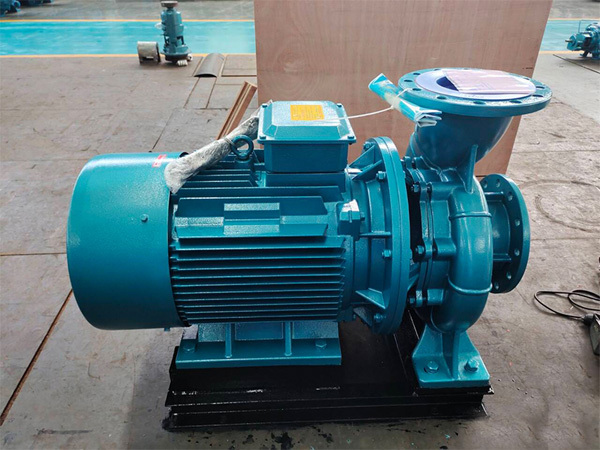
1. Flow rate and head
Flow rate and head are the two core parameters for selecting a pipeline pump. The flow rate determines the pump's delivery capacity per hour, while the head represents the liquid resistance the pump can overcome, ensuring that the liquid can be smoothly delivered to its destination. Determining the flow rate of the liquid or gas to be pumped is the primary consideration in selection, as the flow rate dictates the required pump capacity. When choosing a pump, it is essential to ensure it can provide sufficient flow to meet process requirements. The head refers to the total height increase of the liquid or gas from the pump inlet to the pump outlet. The required head should be determined based on process needs to select a pipeline pump with adequate head capacity.
2. Liquid properties
The properties of the liquid, such as viscosity, density, corrosiveness, and solid content, will affect the selection of the pipeline pump. For example, high-viscosity liquids require specific pump designs, while corrosive liquids need to be made of stainless steel.
3. Temperature
The temperature of the liquid can affect the sealing design, bearing material selection, and cooling methods of the pipeline pump. High-temperature liquids may require special heat-stable materials.
4. Pipeline size and layout
The size and layout of the pipeline influence the selection of the pump. The diameter of the pipeline determines the outlet size of the pump, and the layout of the pipeline, such as the number of straight pipes and elbows, will also affect the pump's flow rate and head.
5. Drive and power
The drive method (electric, pneumatic, etc.) and power requirements are also important factors in selection. Different drive methods have different applications and advantages.
6. Operating conditions
Whether the operation is continuous or intermittent, as well as the starting frequency, will affect the design and material selection of the pump. For example, a pump that operates intermittently may require a higher starting torque.
7. Cost and lifespan
Cost and maintenance are factors that cannot be ignored in the selection process. Although high-performance pipeline pumps may have a higher initial investment, if their maintenance costs are low and lifespan is long, they may be a more economical choice in the long run. In addition to the initial investment cost, maintenance and operating costs of the pump should also be considered, including maintenance requirements, energy consumption, and service life. Choosing a pump with efficiency and reliability can reduce operating costs and improve production efficiency.
8. Supplier reputation and after-sales service
Choosing a supplier with a good reputation can ensure the quality of the pump and after-sales service. Quality after-sales service can quickly resolve issues when they arise, ensuring stable operation of the production line.
Selecting the appropriate pipeline pump requires a comprehensive consideration of flow requirements, head requirements, working conditions, pump types, and maintenance and operating costs. Only by evaluating these factors can the right pipeline pump be chosen to ensure the smooth progress of industrial production processes.
In summary, the selection of pipeline pumps involves multiple factors and needs to be considered comprehensively based on specific application scenarios and requirements. Correct selection can ensure the stable operation of pipeline pumps, improve production efficiency, and reduce maintenance costs.
RELATED INFORMATION
Recommend Products
Contact Us
Free Hotline:+86 18142662779
Fixed telephone:+86 19313001794
Mobile:+86 18142662779(WeChat/WhatsAPP)
E-mail:info@sanchangpump.net




Hunan Sanchang Pump Co., Ltd.
| Email: | info@sanchangpump.net |
| Hotline: | +86 181 4266 2779 |
| +86 193 1300 1794 | |
| Mobile/Wechat/WhatsApp: | +86 181 4266 2779 |
| Address: | No.517,Xiangfu Road, Yuhua |
| District, Changsha City | |
| Hunan Province, P.R.C |
