
The working principle and structure of an oil pump.
Category: Pump Knowledge
2024-10-18
Oil Pumpis a crucial component in many mechanical systems, especially widely used in automobiles, construction machinery, and heavy equipment. Its main function is to transport liquids (usually fuel or lubricating oil) from one place to another, providing the necessary pressure and flow for the system. Below, we will detail the working principle and structure of oil pumps.
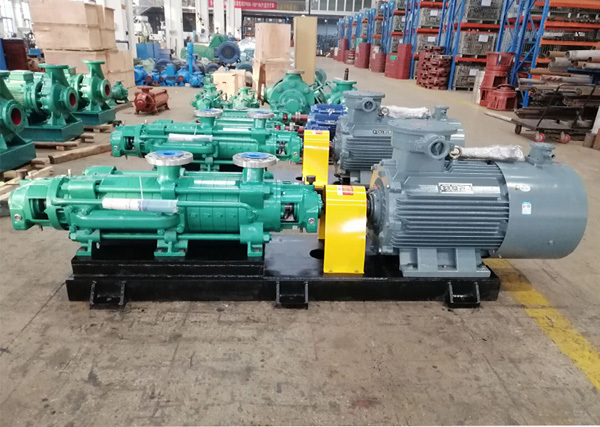
Working Principle of Oil Pumps
The working principle of oil pumps is based on a specific pressure generation mechanism, which is achieved by changing the volume of the liquid. Specifically, there are several precisely fitted gears or rotors inside the oil pump, which rotate under the drive of a motor. As the gears or rotors rotate, the volume between them changes, causing a pressure change in the liquid within the pump. This pressure change causes the liquid to flow from a low-pressure area to a high-pressure area, thus achieving the transport of the liquid. In this way, the oil pump can continuously provide the required pressure and flow of liquid to the system.
The working principle of the oil pump is achieved through the movement of a piston within the pump body. When the engine is running, the cam pushes the push rod to apply force to the pump shaft, causing the pump shaft to start rotating. The rotation of the pump shaft drives the piston, which moves back and forth within the pump body. When the piston moves upward, the pressure in the chamber decreases, creating a vacuum. At this time, fuel in the suction pipe is drawn into the chamber. When the piston moves downward, the pressure in the chamber increases, pushing the drawn fuel out of the pump body and through the fuel line to the engine combustion chamber.
Structure of Oil Pumps
The structure of an oil pump typically consists of the pump body, pump shaft, pressure plate, push rod, and suction pipe, among others. The pump body is the main component of the oil pump, containing a chamber for drawing in and discharging fuel. The pump shaft is the main axis within the pump body, which contacts the engine's cam through the push rod, allowing the pump shaft to move rhythmically. The structure of the oil pump is designed to be precise and complex, mainly consisting of the following key parts:
1. Pump Body: This is the main part of the oil pump, providing support and space for internal components. The interior of the pump body is designed with fine channels and chambers to control the flow and pressure of the liquid.
2. Gears or Rotors: These are the core components of the oil pump, responsible for changing the volume of the liquid. These parts are usually made of hard materials to ensure long-term durability and reliability.
3. Inlet and Outlet: The inlet and outlet of the oil pump connect to the supply and demand points of the liquid, respectively. The inlet is usually located at a lower position of the pump to allow the liquid to flow in naturally; the outlet is located at a higher position to deliver the liquid to where it is needed.
4. Bearings and Seals: These components support the rotation of the gears or rotors and ensure the sealing of the pump interior, preventing liquid leakage.
5. Regulator: Some types of oil pumps are also equipped with regulators to control the pressure and flow of the liquid to meet the system's needs.
The oil pump is an important component for the normal operation of the engine, transporting fuel from the fuel tank to the engine combustion chamber through a series of structures and working principles, ensuring the normal operation of the engine. Mechanical and electronic oil pumps each have their characteristics, but both play a crucial role in supplying the fuel required by the engine.
The design and manufacturing of oil pumps require precise engineering technology and materials science. Choosing the appropriate type of oil pump, correct installation, and regular maintenance are essential for ensuring the performance and efficiency of the system. Additionally, due to the critical role of oil pumps in various applications, their performance and quality significantly impact the overall performance and safety of the equipment.
RELATED INFORMATION
Recommend Products
Contact Us
Free Hotline:+86 18142662779
Fixed telephone:+86 19313001794
Mobile:+86 18142662779(WeChat/WhatsAPP)
E-mail:info@sanchangpump.net




Hunan Sanchang Pump Co., Ltd.
| Email: | info@sanchangpump.net |
| Hotline: | +86 181 4266 2779 |
| +86 193 1300 1794 | |
| Mobile/Wechat/WhatsApp: | +86 181 4266 2779 |
| Address: | No.517,Xiangfu Road, Yuhua |
| District, Changsha City | |
| Hunan Province, P.R.C |
