
Factors affecting the cavitation margin of a centrifugal pump and solutions
Category: Pump Knowledge
2024-10-15
Central Open PumpThe cavitation margin refers to the difference between the level of cavitation that a pump can withstand under normal operating conditions and the actual level of cavitation it experiences during operation. Cavitation is a problem that occurs when gas present in the liquid causes a decline in pump performance or abnormal operation. Understanding the factors affecting the cavitation margin of central open pumps and taking appropriate solutions is crucial for ensuring the normal operation of the pump and extending its service life.
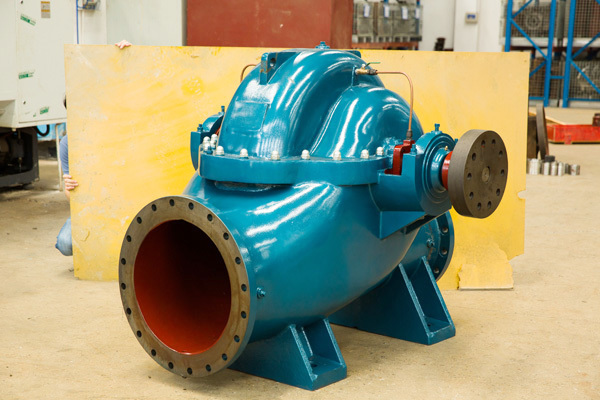
I. Factors Affecting the Cavitation Margin of Central Open Pumps
The cavitation margin of central open pumps refers to the necessary margin to prevent cavitation during pump operation. The main influencing factors are as follows:
1. Liquid Properties: Properties such as viscosity, surface tension, and vapor pressure of the liquid affect the occurrence of cavitation.
2. Pump Geometric Parameters: Parameters such as impeller diameter, blade shape, and angle affect the flow state of the liquid and the pump's resistance to cavitation.
3. Operating Conditions: Conditions such as pump speed, flow rate, suction pressure, and temperature can cause changes in the pump's cavitation margin.
II. Solutions
To address the issue of the cavitation margin in central open pumps, we can take the following approaches:
1. Optimize Pump Design: Based on the properties of the liquid and operating conditions, reasonably design the pump's geometric parameters, such as reducing the impeller diameter and changing the blade shape and angle, to improve the pump's resistance to cavitation.
2. Improve Operating Conditions: Maintain appropriate pump speed, flow rate, and suction pressure to avoid excessive or insufficient operating parameters that could lead to cavitation. Additionally, lowering the liquid temperature can help reduce the occurrence of cavitation.
3. Implement Anti-Cavitation Measures: Use anti-cavitation materials and set reasonable pump inlet pressure to enhance the pump's cavitation margin.
4. Strengthen Maintenance: Regularly check the pump's operating status, promptly clear accumulated gas within the pump, and maintain good operating conditions.
5. Choose Suitable Liquids: Select appropriate liquid media based on the pump's operating environment and requirements to reduce the liquid's vapor pressure and lower the probability of cavitation.
6. Add Venting Devices: Install venting devices on the pump's inlet pipeline to promptly discharge accumulated gas within the pump, reducing the occurrence of cavitation.
Understanding the factors affecting the cavitation margin of central open pumps and taking relevant solutions is key to ensuring the normal operation of pump equipment and extending its service life. When selecting pump equipment, consider the properties of the medium and the structural design of the pump. When determining operating parameters, reasonably select flow rate and head. Additionally, other measures such as increasing the length of the vent pipe or regular inspection and maintenance can effectively address cavitation issues. Only by comprehensively considering these factors can we reduce the level of cavitation in the pump and ensure the normal operation of the pump equipment.
In summary, the issue of cavitation margin in central open pumps is influenced by various factors, and we need to consider these factors comprehensively and take effective measures to resolve this issue. By optimizing pump design, improving operating conditions, implementing anti-cavitation measures, and strengthening maintenance, we can effectively enhance the cavitation resistance of central open pumps and extend their service life.
RELATED INFORMATION
Recommend Products
Contact Us
Free Hotline:+86 18142662779
Fixed telephone:+86 19313001794
Mobile:+86 18142662779(WeChat/WhatsAPP)
E-mail:info@sanchangpump.net




Hunan Sanchang Pump Co., Ltd.
| Email: | info@sanchangpump.net |
| Hotline: | +86 181 4266 2779 |
| +86 193 1300 1794 | |
| Mobile/Wechat/WhatsApp: | +86 181 4266 2779 |
| Address: | No.517,Xiangfu Road, Yuhua |
| District, Changsha City | |
| Hunan Province, P.R.C |
