
Failures and Solutions of Brine Pumps
Category: Pump Knowledge
2024-10-29
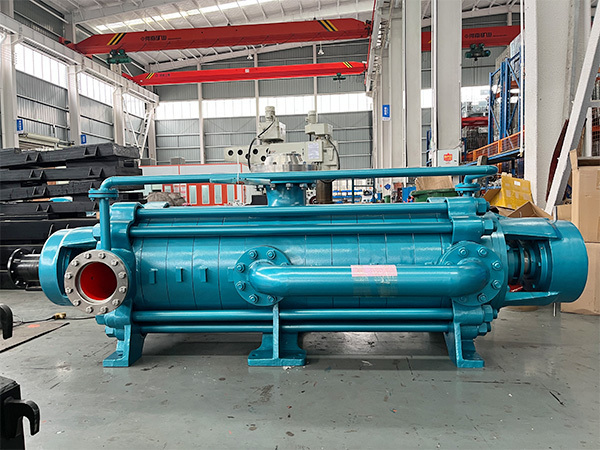
Brine PumpBrine pumps are widely used in the mining and chemical industries, primarily for extracting brine from salt wells or other mineral bodies. Due to the complex working environment and high work intensity, brine pumps often encounter various faults. Below are some common faults of brine pumps and their solutions.
I. Common Faults of Brine Pumps
1. Insufficient Flow: Possible causes include insufficient pump speed, blockage in pipes or filters, etc.
2. Leakage Issues: Worn seals, defects in the pump body, etc., can lead to leaks. When liquid leakage is detected in the brine pump, immediate measures must be taken to prevent further damage to the equipment and ensure production safety.
3. Noise and Vibration: This may be caused by pump imbalance, bearing wear, or drive issues.
4. Motor Overheating: This may be due to overload, unstable voltage, or poor motor heat dissipation.
II. Solutions
1. Handling Insufficient Flow: First, check if the pump speed meets the requirements and clear any blockages in the pipes and filters. If the impeller is severely worn, it should be replaced promptly.
2. Handling Leakage Issues: Check the condition of the seals; if worn, replace them in a timely manner. Also, check for cracks or sand holes in the pump body, and repair or replace as necessary. Ensure the seals are intact; if damaged or aged, they should be replaced immediately. Additionally, check if the pipe connections are secure; if loose, they need to be tightened. Regularly checking and replacing sealing gaskets is also an effective measure to prevent leakage faults.
3. Handling Noise and Vibration: Check if the pump components are balanced; if the bearings are severely worn, they need to be replaced. Also, check the working condition of the drive equipment (such as motors or belts) to ensure they are functioning properly. Check if the pump's support foot bolts are loose; if so, tighten them promptly. Additionally, check if any foreign objects have entered the pump's impeller; if so, clean them out in a timely manner. Regularly lubricating the bearings ensures their normal operation.
4. Handling Motor Overheating: First, check if the load is too high and if the voltage is stable. If the motor has poor heat dissipation, clean the dust from the motor's radiator to ensure air circulation around the motor. If the above methods do not resolve the issue, it may be necessary to replace the motor.
III. Preventive Measures
1. Regularly check the pump's components, such as the impeller, bearings, and seals, and replace them promptly if wear is found.
2. Keep the working environment clean to avoid sand or other impurities entering the pump.
3. Ensure stable power supply to avoid motor overload.
4. Conduct regular maintenance on the brine pump to ensure it is in good working condition.
The solutions to brine pump faults need to be tailored to specific situations, but overall, regular inspection and maintenance are key to avoiding faults. Only through proper operation and timely maintenance can the normal operation of brine pumps be ensured, thereby improving production efficiency. It is hoped that the information in this article can assist users of brine pumps in reducing faults and extending the equipment's lifespan.
In summary, handling faults in brine pumps requires specific analysis based on actual conditions. When a fault occurs, the first step is to identify the cause, followed by taking appropriate solutions. Additionally, regular maintenance and inspection can effectively prevent faults and ensure the stable operation of brine pumps.
RELATED INFORMATION
Recommend Products
Contact Us
Free Hotline:+86 18142662779
Fixed telephone:+86 19313001794
Mobile:+86 18142662779(WeChat/WhatsAPP)
E-mail:info@sanchangpump.net




Hunan Sanchang Pump Co., Ltd.
| Email: | info@sanchangpump.net |
| Hotline: | +86 181 4266 2779 |
| +86 193 1300 1794 | |
| Mobile/Wechat/WhatsApp: | +86 181 4266 2779 |
| Address: | No.517,Xiangfu Road, Yuhua |
| District, Changsha City | |
| Hunan Province, P.R.C |
