
Factors Affecting the Cavitation Margin of Pipeline Pumps and Solutions
Category: Pump Knowledge
2024-10-23
Pipeline PumpCavitation margin is an important factor affecting pump performance and service life. It involves the impact of gas bubbles forming and collapsing within the pipeline pump on the metal surface, which may lead to pump damage and performance degradation. Below are the factors affecting the cavitation margin of pipeline pumps and corresponding solutions.
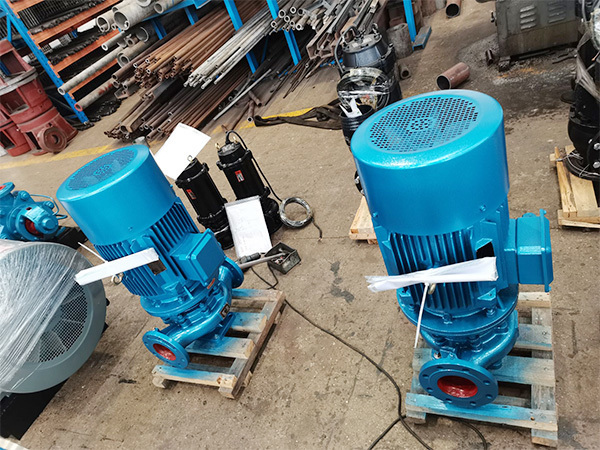
Cavitation issues in pipeline pumps are a common phenomenon encountered in engineering practice. It can reduce the working efficiency of the pipeline pump and even cause serious damage to the equipment. Understanding the factors influencing pump cavitation and the corresponding solutions is significant for improving work efficiency and extending equipment life.
Pump cavitation usually occurs due to the presence of gas in the liquid. When the gas content exceeds a certain limit, it escapes from the liquid and accumulates in the pump body, leading to a decrease in pump chamber pressure and causing cavitation phenomena along the surface of the volute blades. Many factors affect pump cavitation, including the temperature, pressure, gas solubility, and flow velocity of the liquid. The higher the temperature and pressure of the liquid, the lower the gas solubility, increasing the likelihood of pump cavitation. Additionally, excessive flow velocity can also increase the risk of pump cavitation.
I. Influencing Factors:
1. Properties of the Liquid: The chemical properties, temperature, viscosity, and density of the liquid all affect the gas solubility and release pressure, thereby influencing the cavitation margin.
2. Design and Operating Conditions of the Pipeline Pump: The design, speed, flow rate, and suction pressure of the pump all affect the formation and release of gas.
3. Environmental Conditions: Changes in environmental temperature and humidity may affect the saturation vapor pressure of the liquid, thus influencing the cavitation margin.
II. Solutions:
1. Optimize Pump Design: Improve the inlet design of the pump to ensure that the liquid can smoothly enter the pump, reducing gas dissolution and release. At the same time, optimize the internal structure of the pump to reduce the impact of bubble formation and collapse on the metal surface.
2. Control Operating Conditions: Reasonably set the pump's speed, flow rate, and suction pressure to ensure the pump operates in good condition. Avoid prolonged high-load operation to reduce gas formation and release.
3. Choose Suitable Liquids: Select appropriate liquid media based on the operating environment and requirements to reduce the saturation vapor pressure of the liquid and the solubility of the gas.
4. Improve Pipeline System: Optimize the pipeline layout, reduce bends and diameter changes to decrease pressure loss and gas dissolution in the fluid.
5. Maintenance and Inspection: Regularly check the wear of the pump and timely replace severely worn parts. Conduct regular maintenance on the pump to maintain its good operating condition.
6. Use Cavitation-Resistant Materials: Choose materials with better cavitation resistance for manufacturing the pump's flow components as needed to enhance the pump's cavitation resistance.
7. Install Venting Devices: Install venting devices at the pump's inlet or suitable locations to remove gas from the liquid and reduce the cavitation margin.
Understanding the factors affecting the cavitation margin of pipeline pumps and taking corresponding solutions is crucial for ensuring normal equipment operation and improving work efficiency. In engineering practice, we should take appropriate measures based on specific situations to reduce the potential risks brought by pump cavitation and ensure the long-term stable operation of the equipment.
In summary, reducing the cavitation margin of pipeline pumps requires a comprehensive consideration of multiple aspects, including optimizing design and operating conditions, selecting suitable liquids and materials, etc. Only by comprehensively considering these factors and taking appropriate solutions can we ensure the long-term stable operation of pipeline pumps and extend their service life.
RELATED INFORMATION
Recommend Products
Contact Us
Free Hotline:+86 18142662779
Fixed telephone:+86 19313001794
Mobile:+86 18142662779(WeChat/WhatsAPP)
E-mail:info@sanchangpump.net




Hunan Sanchang Pump Co., Ltd.
| Email: | info@sanchangpump.net |
| Hotline: | +86 181 4266 2779 |
| +86 193 1300 1794 | |
| Mobile/Wechat/WhatsApp: | +86 181 4266 2779 |
| Address: | No.517,Xiangfu Road, Yuhua |
| District, Changsha City | |
| Hunan Province, P.R.C |
