
What is the pump body of an oil pump and what is its function?
Category: Pump Knowledge
2024-10-18
Oil PumpThe pump body refers to the main structural component of the oil pump, which is responsible for the important task of transporting lubricating oil or fuel. An oil pump is a device that converts liquid energy into mechanical energy and transports the liquid to where it is needed through pressure. The pump body, as the outer shell of the oil pump, protects the internal mechanisms from external environmental interference and damage.
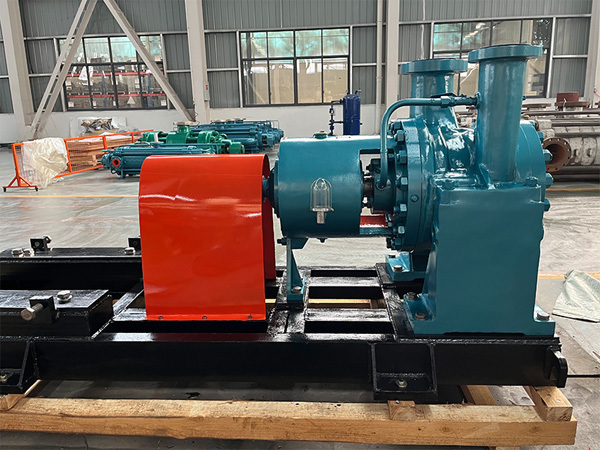
1. What is the pump body of an oil pump?
The pump body of an oil pump is one of its core components, usually made of metal (such as cast iron, aluminum alloy, or stainless steel). It is a sealed container that is precisely assembled with key components such as rotors, gears, and bearings inside. The appearance of the pump body comes in various shapes and sizes to accommodate different installation needs and working environments.
2. The function of the pump body
The function of the pump body is very important; it supports and secures the internal mechanisms while ensuring the normal operation of the oil pump. The internal channels and chamber structures of the pump body are designed reasonably to achieve the flow path of the liquid, thereby providing sufficient pressure to transport the liquid. During operation, the pump body works closely with other components to ensure that lubricating oil or fuel can be smoothly drawn in and discharged to meet the liquid demands of engines or machinery.
1. Providing a working environment: The pump body provides a lubricating, cooling, and sealing working environment for the internal parts of the oil pump, ensuring that the oil pump can operate continuously and stably.
2. Accommodating oil: The interior of the pump body stores the oil that needs to be transported. When the oil pump operates, it draws the oil from the inlet through internal components such as rotors and gears, and then pumps it to the outlet.
3. Converting energy: The pump body, in conjunction with internal components such as rotors and gears, converts mechanical energy into pressure energy of the oil, thereby achieving the transportation of the oil.
4. Balancing pressure: The oil inside the pump body achieves pressure balance and stability during transportation through the guidance of internal channels and holes, ensuring smooth flow of the oil.
5. Heat dissipation: The design of the pump body usually considers heat dissipation issues, using heat sinks or special structures on the surface of the pump body to help dissipate heat from the oil during transportation, maintaining the normal working temperature of the oil.
6. Noise reduction and vibration damping: The design of the pump body also takes into account noise and vibration issues. By optimizing the internal structure and using damping materials, the noise and vibration during the operation of the oil pump are reduced.
7. Installation and connection: The shape and size of the pump body accommodate different installation needs, facilitating connection with other equipment and improving the overall performance of the equipment.
In addition, the pump body also bears other important functions, such as preventing oil leakage and protecting internal parts from wear. To ensure the normal operation of the oil pump, regular inspection and maintenance of the pump body are necessary to ensure it is intact and free from contamination.
In summary, the pump body of an oil pump is an important component of the oil pump, and its functions encompass providing a working environment, storing and transporting oil, converting energy, balancing pressure, heat dissipation, noise reduction and vibration damping, as well as installation and connection. To ensure the performance and lifespan of the oil pump, attention to and maintenance of the pump body are crucial.
RELATED INFORMATION
Recommend Products
Contact Us
Free Hotline:+86 18142662779
Fixed telephone:+86 19313001794
Mobile:+86 18142662779(WeChat/WhatsAPP)
E-mail:info@sanchangpump.net




Hunan Sanchang Pump Co., Ltd.
| Email: | info@sanchangpump.net |
| Hotline: | +86 181 4266 2779 |
| +86 193 1300 1794 | |
| Mobile/Wechat/WhatsApp: | +86 181 4266 2779 |
| Address: | No.517,Xiangfu Road, Yuhua |
| District, Changsha City | |
| Hunan Province, P.R.C |
